No heat during a power outage: hold one room and know when to leave
When the furnace stops on a cold night, the useful question is not “How do I heat the whole house without power?” It is “How do I slow heat loss, keep people dry and observed, protect the plumbing I can, and leave while travel is still workable?” Build that sequence before the indoor temperature starts falling.
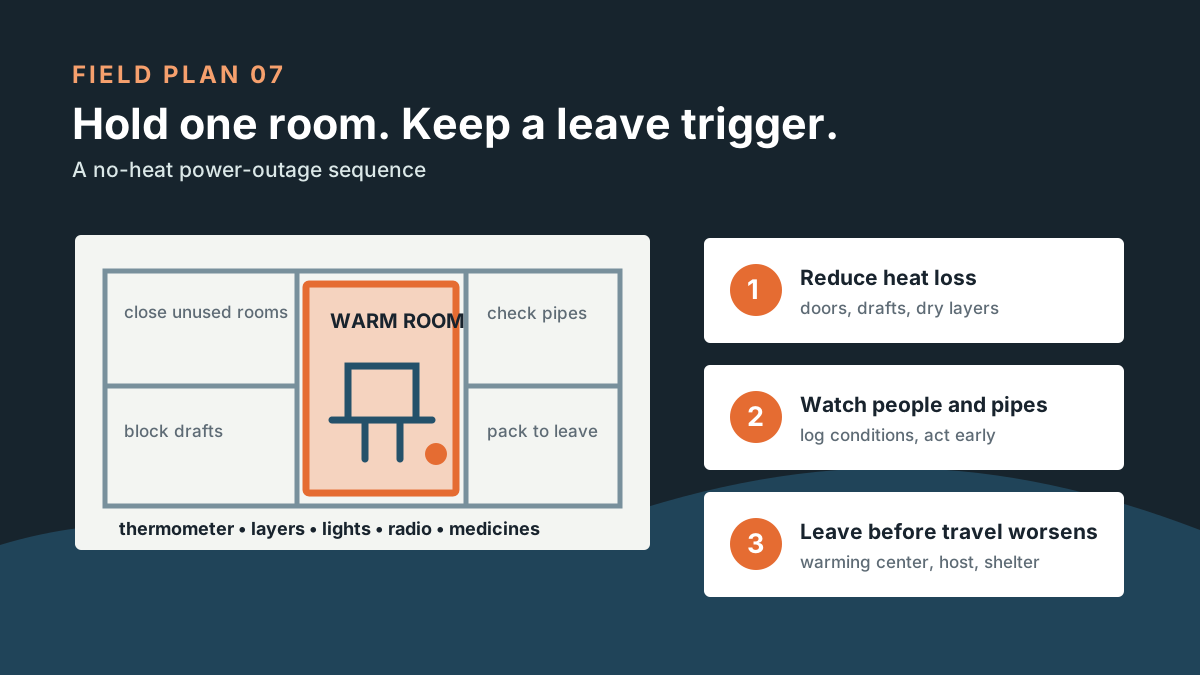
Use the first ten minutes before the house gets colder
Confirm whether the problem is inside the home or across the neighborhood. Check the electrical panel only if you can do so safely, report the outage to the utility, and note the utility’s restoration estimate without treating it as a promise. Follow local emergency alerts and weather updates. A small outage in calm weather and an ice storm that is still building are different decisions.
Record four facts on paper: the time the heat stopped, the indoor temperature, the outdoor conditions, and who in the household is most vulnerable to cold. Then check the next six to twelve hours of forecast, road conditions, warming-center announcements, and the status of any host home you might use. Repeat the indoor temperature check on a simple schedule so the decision rests on a trend rather than a vague impression.
Indoor thermometer, flashlights, radio, medicines, dry layers, blankets, phone power, and the go bag in one place.
Unused rooms, window coverings, and exterior doors after checking that people, pets, alarms, and exits remain safe.
Where you can relocate, how you will get there, who needs help, and the earliest condition that starts the move.
Turn off or unplug sensitive electronics and reduce unnecessary battery use. Keep one light switched on so you notice restoration. If someone depends on powered medical equipment, begin the backup-power or relocation plan at once; do not spend the equipment’s remaining battery on an uncertain wait. Move temperature-sensitive medicine according to its documented plan rather than improvising.
Choose one workable warm room
A smaller occupied area is easier to organize and loses less useful body heat than a household scattered across several rooms. Look for a room that can close, has few exterior walls and windows, fits everyone without blocking exits, and remains within hearing range of smoke and carbon monoxide alarms. An interior bedroom or den may work. A windowless closet is usually too cramped, may complicate ventilation and escape, and gives no safe margin around lights, bedding, or equipment.
The warm room is a heat-retention zone, not a sealed chamber. Never tape over required vents, combustion-air openings, smoke alarms, carbon monoxide alarms, or the only exit. Do not modify a fireplace, flue, furnace, portable heater, or other appliance to fit the room plan. If an appliance is approved for indoor use, follow its listing and manufacturer instructions exactly, including clearance, ventilation, fuel, supervision, and shutdown rules.
Consider the building, not only the room. A ground-floor room may be easier for a person with limited mobility to leave. A room near a bathroom reduces cold hallway trips. An exterior-wall room with water lines may need monitoring even if people gather elsewhere. Apartment residents should know the building’s emergency contact and heating policy; renters should report loss of heat promptly and document the indoor conditions.
Set up the room in five zones
- Temperature station: place a battery-powered indoor thermometer where it is readable and away from a window, exterior wall, direct sun, or any heat source. Log time and temperature.
- Dry clothing station: keep hats, socks, loose layers, gloves, and spare clothes dry and available by size. Wet clothing goes in a separate bag.
- Rest zone: put sleeping pads, blankets, and sleeping bags on beds or insulated surfaces, away from candles, heaters, and cold exterior walls.
- Light and information station: use flashlights, headlamps, a radio, charged power banks, and printed phone numbers. Battery light is safer than candles.
- Exit station: keep shoes, coats, medicines, mobility aids, pet carriers, keys, and the go bag beside a clear route to the door.
Reduce heat loss without creating a new hazard
Close doors to rooms you are not using. Close curtains or blinds at night. Use rolled towels at ordinary drafts near doors, but keep every required vent, combustion opening, alarm, and exit unobstructed. During daylight, sun through a safe, uncovered window may add some warmth; close the covering again as the light fades. Keep exterior doors shut and group necessary trips.
Do not drape blankets over lights, outlets, appliances, smoke alarms, or a heater. Do not attach heavy material where it can fall onto a person, pet, candle, or heat source. A tent placed indoors can create a smaller sleeping volume and slow air movement around bedding, but it does not heat the room, make combustion safe, or replace monitoring and relocation. Keep the tent door easy to open, keep battery lights outside loose fabric, and preserve a clear path to the exit.
The most repeated questions in public outage discussions are about propane heaters, kerosene heaters, improvised flowerpot heaters, camp stoves, and tent stoves. The safe rule is simpler than the workarounds: never use an outdoor device indoors, never heat the home with a cooking oven or range, and never improvise a flue through a window. A carbon monoxide alarm is a backup warning; it does not convert an unapproved setup into a safe one. Review the separate carbon monoxide and generator plan before cold season.
- Use flashlights or battery lanterns instead of candles.
- Keep anything that can burn at least three feet from an approved heater or fireplace, and use the manufacturer’s greater clearance if specified.
- Never run a portable generator in a home, garage, basement, crawlspace, shed, or near windows, doors, and vents.
- Never bring a grill or camp stove indoors for heat or cooking.
- Never sleep with an unapproved fuel-burning device operating.
- Leave immediately if a carbon monoxide alarm sounds or anyone feels sick, dizzy, weak, confused, or unusually sleepy around combustion.
Keep bodies warm, dry, fed, and observed
Dress in several loose layers. Include a hat, dry socks, and clothing that does not restrict circulation. Change damp clothing promptly. Blankets and sleeping bags work by slowing heat loss, so place insulating material under the body as well as over it. Keep infants in sleep arrangements that follow their usual safe-sleep guidance; do not add loose bedding around a baby or crowd a sleeping space in a way that creates suffocation risk.
Eat regular food if it can be prepared safely and drink water. Warm nonalcoholic drinks can be comforting, but alcohol is a poor cold-weather strategy and may interfere with judgment. Avoid sweating from strenuous indoor activity; moisture can make chilling worse later. Light movement may help an able adult feel warmer, but people with medical conditions should follow their care plans and avoid overexertion.
Use a buddy check at every temperature log. Ask each person to speak, use their hands, and describe how they feel. Confusion, clumsiness, unusual sleepiness, slurred speech, or persistent shivering can be more useful than waiting for someone to say they are in danger. CDC notes that hypothermia can occur even above 40°F when a person is wet and chilled, so a single room-temperature number cannot declare everyone safe.
Give higher-risk people an earlier trigger
Older adults, babies, people with certain health conditions, and anyone without adequate food, dry clothing, or heating have less room for delay. So do people who cannot sense or communicate cold well, need powered medical equipment, take medicines that affect temperature regulation or alertness, or would need extra time and help to relocate. Ask a clinician or equipment provider for person-specific planning before winter; do not invent a universal safe indoor temperature for a particular diagnosis.
Pets need dry bedding, unfrozen water, and a place away from drafts and unsafe heaters. Keep collars, carriers, leashes, food, and medication at the exit station. Do not use a pet’s behavior as the household thermometer, and do not leave animals behind in a home that people have judged too cold to occupy safely.
Make the night a decision period, not an endurance test
Before anyone sleeps, review the restoration estimate, weather, room-temperature trend, alarms, and leave route. Choose an awake adult to check conditions at set times, or relocate if reliable monitoring is not possible. Set alarms on more than one device when practical. Keep eyeglasses, hearing aids, mobility devices, shoes, lights, and coats within reach.
Sleeping bags and an indoor tent may reduce personal heat loss, but they can also hide changes in a room and make alarms harder to hear. Keep smoke and carbon monoxide alarms outside the fabric and audible. Never place a candle, stove, fuel canister, improvised heater, or hot appliance in or near a tent. Do not use disposable chemical warmers where a person cannot sense excessive heat, and follow the product label to prevent burns.
If the forecast is worsening, roads are still open, or the room is steadily cooling, leaving before bedtime may be safer than waiting for a midnight threshold. Red Cross guidance specifically recommends knowing where you will go if the home becomes too cold, such as a friend’s home, public library, or warming center. Confirm that the destination is open, heated, accessible, and able to accept pets or medical needs before setting out.
Protect pipes, but do not let plumbing keep people in danger
Locate the main water shutoff before winter and make sure the correct tool is nearby. Mark supply lines in exterior walls, crawlspaces, garages, and under sinks. Insulate vulnerable pipes as a planned project. During very cold conditions, the American Red Cross advises keeping garage doors closed where water lines are present, opening kitchen and bathroom cabinet doors so warmer air can circulate around plumbing, and allowing a trickle from the faucet served by an exposed pipe. Move cleaners and chemicals out of children’s reach before opening cabinets.
Those measures depend on the building and local utility conditions. A private well may stop when power fails, a wastewater system may have limits, and a property manager may control shutoffs in a multifamily building. Ask the utility, plumber, well professional, or building manager now what to do during an extended loss of heat. Do not close, drain, or restart systems by guesswork, and never put automotive antifreeze into household plumbing.
If a faucet produces only a trickle, suspect a frozen pipe. Keep the faucet open and inspect accessible areas for damage, but do not use a torch, open flame, propane heater, or kerosene heater to thaw it. The Red Cross recommends safe electric methods such as a heating pad or hair dryer when electricity is available and conditions are safe; call a licensed plumber when the frozen section is inaccessible, damaged, or cannot be located.
If you relocate, use the prewritten plumbing procedure for the property. Protecting pipes can reduce damage, but it never outranks human safety. The household should leave while roads, transportation, and receiving locations are still workable rather than waiting solely to keep watch over plumbing.
Write a leave trigger that does not depend on one magic number
No single indoor temperature is safe for every person, building, duration, or medical condition. A better trigger combines the temperature trend with people, time, weather, travel, and backup capacity. Write the destination, route, driver, transport backup, and trigger on the cold-outage sheet.
A high-risk person cannot stay warm, symptoms begin, essential medical support is failing, or caregivers cannot monitor safely.
The room keeps cooling, safe heat is unavailable, water or sanitation fails, alarms fail, or the structure becomes unsafe.
Roads, weather, daylight, transport, warming-center space, or a host’s capacity may get worse before power returns.
Call emergency services for suspected hypothermia, carbon monoxide exposure, fire, a downed live wire, or another immediate threat. For a non-immediate move, tell a support person where you are going, bring medicines and devices, and leave a note only if doing so does not advertise an empty home. Never drive around barricades or through downed wires, ice, or floodwater.
Keep the power-and-water outage sequence beside this sheet. Households with cold-chain medicine should add the refrigerated-medicine decision log. These plans should converge on the same relocation point so one person is not solving heat, water, and medicine separately in the dark.
Run a 20-minute cold-outage drill
- Turn off lights for the drill and name the person who reports the outage and checks alerts.
- Record an imaginary outage start time, indoor temperature, outdoor condition, and restoration estimate.
- Choose the warm room and verify that its door, exit, vents, smoke alarm, and carbon monoxide alarm remain clear.
- Bring in the thermometer, dry layers, bedding, battery lights, radio, phone power, water, medicines, and pet supplies.
- Close unused rooms and identify ordinary drafts without covering required ventilation or alarms.
- Point to every prohibited shortcut: oven, range, grill, camp stove, garage generator, improvised flue, and candle.
- Locate the main water shutoff and vulnerable pipes; read the building-specific procedure without operating anything.
- Read the hypothermia warning signs aloud and practice the buddy check.
- Call or look up the planned warming destination and verify its hours, access, transport, and pet rules.
- Pack the exit station and state the leave trigger in one sentence everyone can repeat.
The drill should reveal bottlenecks, not test endurance. Replace dead batteries, label unclear switches, add a thermometer if none is available, and make the plan usable by the person least familiar with the house. The lowest-cost upgrades are often the most useful: a written destination, weather stripping, pipe insulation, dry socks, tested alarms, and a clear decision made early.
Questions people ask during a cold outage
Should we close every vent in the warm room?
No. Close ordinary room doors and reduce harmless drafts, but never cover a required supply, return, combustion-air opening, alarm, or exit. Building systems vary, and an outage may not disable every appliance. Ask a qualified professional which openings must remain clear.
Can we use the gas stove if the electric power is out?
Do not use an oven or range to heat the home. Whether a gas cooking appliance may be lit and used for cooking during an outage depends on its manufacturer instructions and local guidance; some modern models need electricity for safety controls. Use it only as approved for cooking, with the required ventilation, and never as space heat.
Will a tent inside keep us safe all night?
A tent may reduce drafts around bedding, but it produces no heat and does not establish that the room is safe. Keep monitoring people, temperature, alarms, weather, and the leave route. Never put combustion, candles, or a heater inside the tent.
How cold is too cold indoors?
There is no single number that fits every household. Health, age, dampness, exposure time, clothing, medical equipment, and the direction of the temperature trend all matter. CDC emphasizes symptoms and high-risk groups, and Red Cross guidance says to plan where you will go if the home becomes too cold. Use a personal medical plan where needed and leave before options narrow.